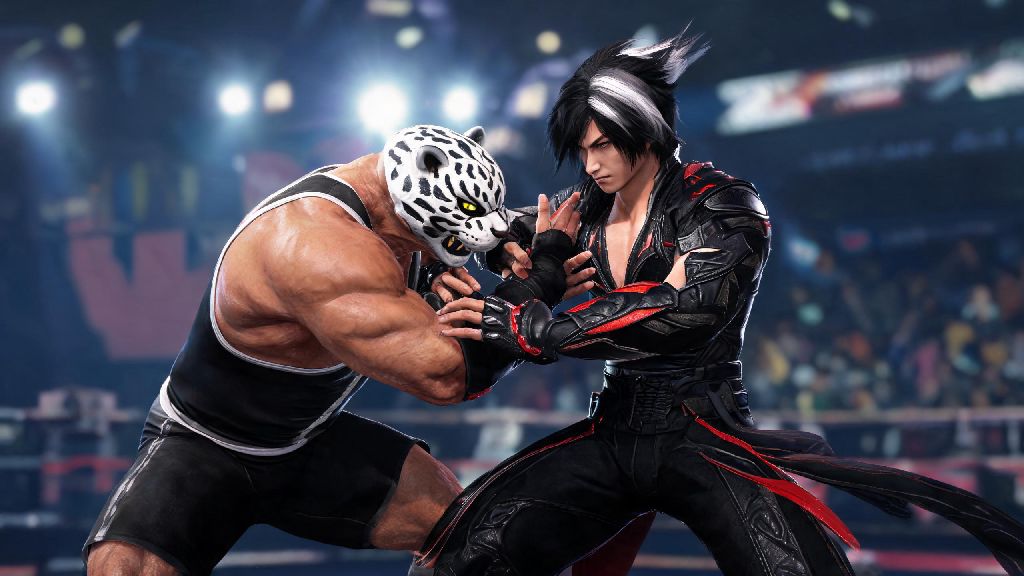
I’ve been climbing Tekken 8’s ranked ladder as a Jin main for the past 6 months, and I used to auto-lose every match against King players before I spent a week drilling these exact steps. King’s grapple moveset is easily the most overwhelming in the game, with some chain throws deleting up to 75% of your health bar in a single sequence if you don’t know how to counter them. If you’ve ever felt helpless when a King main gets in close and starts winding up for a Giant Swing, you’re not alone. Learning how to break king throws tekken 8 is non-negotiable if you want to hit higher ranks or finally beat that friend who only plays King at your local game nights.
How to Break King Throws in Tekken 8: First, Learn Core Throw Types and Break Inputs
Tekken 8’s throw break system is simpler than most new players realize, even for King’s extensive moveset. Every throw in the game ties to a specific break input based on the limbs the character uses to initiate the grab, and King’s throws follow this rule perfectly. You don’t have to memorize 50 different break inputs to shut down most of his kit, just learn the three core break types and which throws fall into each category.
These are the only three break inputs you’ll ever need for King’s throws:
The only exception to this rule is King’s command throws that can’t be broken at all, but these are extremely slow, have obvious tells, and only make up around 5% of his common grapple loadout. Most King players will rely on 6 core throws for 90% of their grapple plays, so you only need to memorize the break type for those 6 moves to cover almost every scenario.
Drill Throw Recognition Without Tilt in Low-Pressure Settings
A lot of players make the mistake of only practicing throw breaks in high-stakes ranked matches, where every miss feels like a huge setback and tilts them into making even worse decisions. It’s far more effective to split your practice time between focused training mode drills and short, low-pressure breaks to keep your reaction times sharp without burning out. If you want to keep your fast decision-making skills sharp between 10-minute training blocks, you can take 2 minutes to play a quick casual game on INDRummy, which uses quick, reaction-based prompts that translate surprisingly well to picking up on King’s split-second throw tells.
Once you’re refreshed, head back into training mode and set the dummy to random King throws on wakeup, with input display turned on so you can see if you’re pressing the right break on time. Start with the dummy’s reaction speed turned down 20% so you have extra time to recognize the throw animation, then crank it back up to 100% once you’re hitting 7 out of 10 breaks correctly. You don’t need 100% accuracy in training to be effective in real matches, even pro players only land around 80% of King throw breaks in tournament play.
Once you’re comfortable with training mode drills, test your skills in casual player matches first before bringing them to ranked. Casual matches have zero rank pressure, so you won’t tilt if you miss a few breaks, and you’ll get exposure to real King players who use different throw patterns than the training dummy.
Read King’s Animation Tells to Cut Down Guesswork
One of the biggest myths about breaking King throws is that you have to guess the right input every time. That’s only true for his basic untelegraphed standing grab, every other high-damage throw he has has a clear animation tell you can spot if you know what to look for. You don’t have to guess 90% of the time if you keep your eyes on King’s upper body during close-quarters exchanges, not your own character.
For example, his iconic Giant Swing throw (a 1+2 break that deals 40% damage on its own) has a very clear tell: King will wind his right arm all the way back behind his body for two full frames before initiating the grab. As soon as you see that arm wind up, press 1+2 immediately and you’ll break the throw almost every time. If he drops his left shoulder and steps forward with his left foot, that’s always a 1-break throw, no exceptions. If he leans his torso to the left and reaches out with his right hand first, that’s a 2-break throw.
The only throw with no tell is his basic standing grab, which can be either 1 or 2 break. For this move, you can use pattern recognition to improve your odds: most King players will alternate between 1 and 2 breaks for basic grabs after landing a big combo, so you can guess with 50% accuracy instead of the default 33% if you pay attention to their habits. Another little-known trick: all of King’s throws from a crouching position are 1-break, so you only have to press one input if he’s crouching close to you.
Handle King’s Chain Throw Sequences Like a Pro
King’s chain throws are the most intimidating part of his kit, because they require you to hit multiple break inputs in a row instead of just one. Missing even one break in the chain means you take the full damage of the entire sequence, so you have to stay focused from the first grab to the end of the chain. The good news is that 90% of King players only use 3 common chain throw sequences, so you don’t have to memorize dozens of different break patterns to counter them.
The most common chain is the Powerbomb to Argentine Backbreaker to Tombstone Piledriver: the first break is 2, the second is 1, the third is 1+2. Once you memorize that sequence, you’ll be able to counter that chain every single time you see the initial Powerbomb tell. If you get hit by a chain throw you don’t recognize during a match, make a quick mental note of the animation sequence, then look up the break pattern after the match is over.
A common mistake players make when facing chain throws is mashing inputs during the sequence. Mashing will make you miss the tight break windows for each step, so press each break input once firmly when you reach the correct step in the sequence. If you break the first step of a chain throw, King will be left open for a small punish, so you can land a quick jab combo to get some of your own damage back.
You don’t have to learn every single chain throw right away, either. Start with the three most common ones, then add more to your memory bank as you run into them in matches. Most King players will stick to the same 2 or 3 chains for their entire playstyle, so you’ll quickly recognize patterns the more you play against them.
Learning how to break King throws in Tekken 8 doesn’t happen overnight, but if you spend 15 minutes a day drilling recognition and timing, you’ll be able to shut down 90% of King players you face in ranked within a week. I still miss the occasional Giant Swing break when I’m tired or tilted, but it’s a huge improvement from the days where I’d lose entire matches to a single King player spamming chain throws. The biggest tip I can give you is to not get frustrated when you miss a break: just reset, focus on the next exchange, and you’ll see consistent improvement over time.