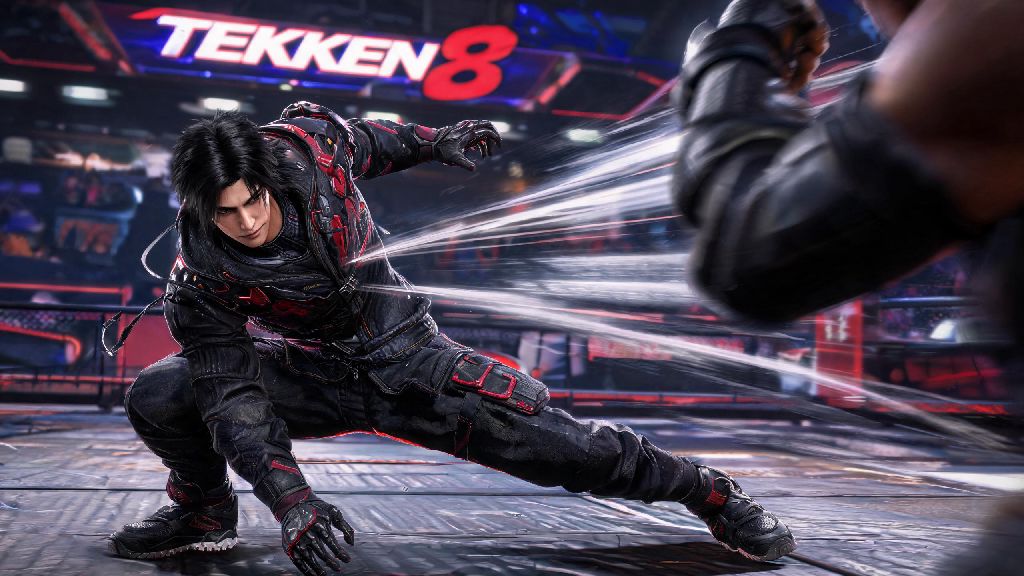
If you’ve ever gotten locked into a 10-hit combo you had zero chance of escaping, or eaten a full Rage Art because you couldn’t get out of the way of your opponent’s rushdown, you already know how critical evasion is to climbing the Tekken 8 ranks. I’ve spent 300+ hours grinding ranked since launch, and I used to lose 70% of my matches against aggressive Jin and Kazuya players until I nailed down how to dodge in Tekken 8 consistently. This guide breaks down every evasion mechanic, common mistakes to avoid, and easy drills you can run in Practice Mode to turn dodges into counter-attack opportunities, not just defense.
How to Dodge in Tekken 8: Breakdown of Every Evasion Type
Tekken 8 has three core dodge mechanics, each designed for specific attack types, and you’ll need to master all three to avoid being predictable. Most new players only stick to one evasion method, which makes it trivial for experienced opponents to read and punish their moves. Below is a quick breakdown of when to use each one:
Mixing these three mechanics is the key to keeping your opponent guessing. For example, if you only duck every time your opponent throws a jab string, they’ll quickly catch on and land a mid launcher that puts you in a 40% damage combo. I used to rely almost entirely on sidesteps until I fought a Hwoarang main who spammed linear kicks that tracked left, so every sidestep I made just put me right in the path of his next hit. I lost that match 3-0 without taking a single round, which is what pushed me to start learning the differences between each dodge type. Also note that every character has slightly different dodge frame data: smaller, faster characters like Xiaoyu have longer invincibility windows on sidesteps, while heavier characters like Jack-8 have shorter windows but take less chip damage if you mistime a dodge.
How to Read Opponent Patterns to Time Dodges Perfectly
Even if you know every dodge mechanic by heart, bad timing will make all your evasion attempts useless. Most players fall into predictable patterns after 2-3 rounds, so your first job in any match is to observe what they throw after certain moves, instead of reacting to every single attack as it comes.
For example, a lot of new Lars players will throw a high, unblockable spinning kick right after they land a 3-hit jab string. Once you notice that pattern, you can duck the kick and punish with a full combo of your own. Don’t try to dodge on reaction to every attack — most mid and high attacks in Tekken 8 land in 10-15 frames, which is faster than the average human can react. Instead, focus on predicting based on your opponent’s habits.
I like to bait out attacks by leaving small gaps in my own pressure: I’ll throw two jabs, then pause for half a second, and 9 times out of 10 my opponent will throw a big launcher that I can dodge and punish. Also, pay attention to their Rage state: when a player hits Rage, they’re far more likely to throw risky, high-damage linear attacks that are easy to sidestep if you’re expecting them. The biggest mistake I see here is players dodging too early. If you sidestep before your opponent commits to their attack, they can adjust their input to track your movement and land the hit anyway.
Common Dodge Mistakes That Are Costing You Matches
Even intermediate players make simple dodge mistakes that lose them rounds they could have easily won. Most of these mistakes come from bad habits picked up when you first start playing, so fixing them will give you almost instant rank gains.
Overusing sidesteps against tracking attacks is the number one mistake new players make. A lot of characters have attacks that track left or right automatically, so sidestepping into the tracked direction is basically handing your opponent a free hit. For example, King’s lariat attack tracks both left and right, so trying to sidestep it will never work — you have to block it or backdash out of range instead.
Another common mistake is dodging without a plan to counter. If you dodge an attack but just stand there afterward, you’re wasting the 10-15 frame advantage you get from a successful evasion. You should always have a pre-planned punish for the attacks you’re dodging: if you duck a high kick, your go-to punish could be a fast mid launcher, or a low sweep if your opponent is expecting you to throw a mid.
Also, don’t dodge when you’re cornered. If your back is against the wall, sidestepping won’t give you any space to move, and ducking leaves you open to mid attacks that will knock you even further into the corner. When you’re cornered, your best bet is to block first, then use a backdash or a quick evasive move to get out once you have a gap. I learned this the hard way when I spent 10 straight matches getting destroyed by a Nina main who kept pushing me into the corner and punishing my bad sidesteps with 40% damage combos.
Easy Practice Mode Drills to Improve Your Dodge Consistency
You don’t have to grind ranked for 100 hours to get better at dodging — 10 minutes a day in Practice Mode will get you results much faster. The drills below are the same ones I use to warm up every time I log on, and they’ve helped me climb from Silver to Tekken King rank in three months.
Start with the basic attack recognition drill: Set the CPU to record a string of 2-3 attacks, one high, one mid, one linear. Play the recording back on loop, and practice picking the right dodge type for each attack until you get 20 successful dodges in a row. This will help you build muscle memory so you don’t have to think about which dodge to use in a real match.
Once you get that down, move to the pattern prediction drill: Set the CPU to alternate between two different attack strings randomly, so you have to observe the first hit of the string to predict what’s coming next, then dodge accordingly. This mimics the pattern reading you’ll have to do in real ranked matches, where opponents won’t use the same string every time.
Another great drill is the corner evasion drill: Put your back against the wall in Practice Mode, set the CPU to do continuous rushdown pressure, and practice using backdashes and well-timed ducks to avoid hits while you work your way out of the corner. Make sure you turn on frame data display in Practice Mode so you can see exactly how much advantage you get after each successful dodge, and test out different punishes to see which ones land before your opponent can recover.
Dodging well isn’t about being the fastest player, or memorizing every single frame of every character’s move list. It’s about knowing your options, reading your opponent, and practicing the basics until they feel like second nature. If you put the tips from this guide into practice, you’ll find that learning how to dodge in Tekken 8 doesn’t just make you harder to hit — it turns every opponent’s aggressive play into an opportunity for you to land big damage and climb the ranks faster. Next time you log on, skip the first 10 minutes of ranked and run the practice drills we covered, and you’ll notice a difference in your very next match.