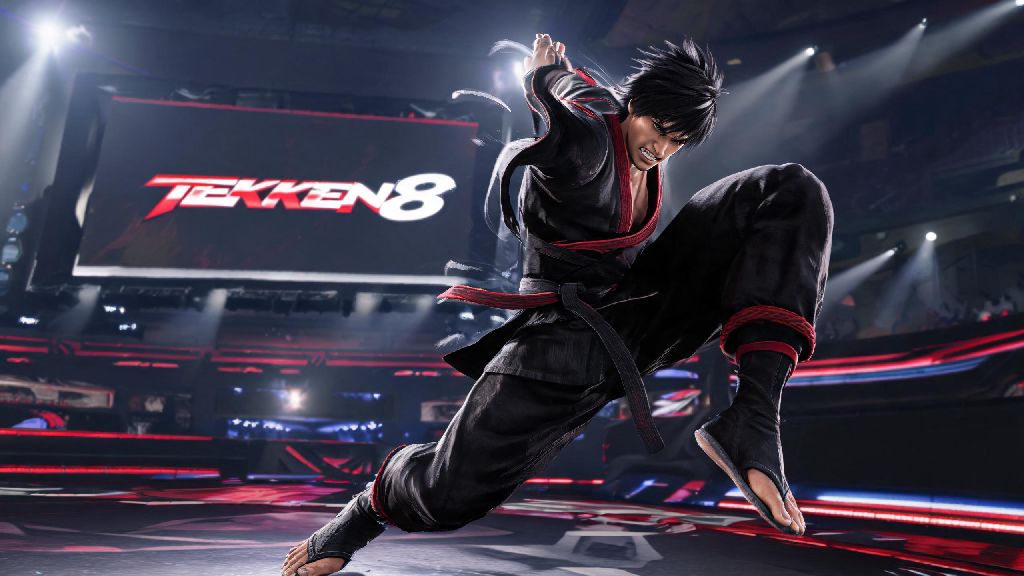
If you’ve spent any time grinding Tekken 8 ranked matches, you’ve probably seen a pro or high-level player pull off a clean kip up after getting knocked down, turning a losing position into a counterattack opportunity before you even have time to press a punish. I spent three weeks fumbling with this move in practice mode, missing 9 out of 10 attempts, before I finally figured out the timing and small quirks that make it consistent. Today, I’m breaking down everything you need to know about how to kip up in Tekken 8, no confusing jargon or hidden tricks held back.
Core Mechanics Behind How to Kip Up in Tekken 8
First, let’s clear up a common misconception: the kip up is not a universal move for every character on the roster. Not every Tekken 8 character has access to a kip up, so you’ll want to confirm your main has it before you spend hours practicing. Characters like Marshall Law, Jin Kazama, Kazuya Mishima, and Ling Xiaoyu have consistent, easy-to-execute kip ups, while heavier characters like Jack-8 or Kuma don’t have the move at all. The kip up is a recovery move that lets you spring straight up from a back-first hard knockdown, skipping the slow regular stand-up animation entirely.
The base input for all characters with a kip up is consistent across the board. Flick down then immediately up + 1+3 (left punch + left kick) or 2+4 (right punch + right kick) to trigger the move. The timing window is narrow, usually between 1 and 3 frames depending on your character, so you can’t mash the input or press it too early. The move also comes with 8 to 12 frames of invulnerability at the start, which is why it can beat most slow wakeup punishes if timed correctly.
I used to make the mistake of holding the up direction instead of flicking it, which would either trigger a regular stand up or a backward roll instead of the kip up. You don’t need to hold any direction after the flick; the input is a quick, sharp tap of down then up, not a sustained press.
Step-by-Step Practice Routine to Nail Kip Up Consistently
Don’t jump straight into ranked matches to test this move, unless you’re okay with losing a few rounds while you get the timing down. I recommend setting aside 30 to 45 minutes in practice mode first, following this simple routine that cut my learning time in half. Pick a character with an easy, high-window kip first if you’re still learning, like Marshall Law, who has a 3-frame window that’s far more forgiving than characters like Xiaoyu who have a tighter 1-frame window.
If you play on controller, you might find it easier to use the D-pad for the flick input, as the analog stick can be less precise for fast, short inputs. Stick players don’t need to adjust much, just make sure you don’t pull the stick too far in either direction when you flick. Don’t worry if you miss 30% of the time at first – even pro players miss occasionally if they get hit with an unexpected knockdown angle that shifts the timing window slightly.
When to Use (and Avoid) Kip Up During Real Matches
The kip up is a high-risk, high-reward move, so you can’t spam it every time you get knocked down. If you land it correctly, you can skip the slow wakeup animation and immediately counter an opponent who’s trying to pressure you on the ground. If you miss, or if the opponent reads your kip up, you’ll be left wide open for a full combo punish that can take 40% or more of your health bar in one go.
Use the kip up when you notice your opponent relies on slow, unsafe wakeup pressure, like a big launcher or a mid-range kick that has long recovery. The invulnerability frames at the start of the kip up will go straight through these attacks, and you’ll be able to land a counter hit before they can block. You can also use it if you’re at a significant life lead and want to catch your opponent off guard, since the risk is lower if you’re already ahead.
So when should you avoid using it? Skip the kip up if your opponent has a full heat gauge, because they can easily use a heat smash to hit you out of the kip up animation before the invulnerability frames kick in. You should also avoid it if you’re at 10% health or less – the risk of losing the round immediately isn’t worth the small reward of a potential counter. Never use kip up more than twice in a row against the same opponent, because they’ll quickly catch on to the pattern and punish you every single time. I learned this the hard way last week, when a King player caught my third consecutive kip up with a giant swing that took half my health and cost me the round.
Common Kip Up Mistakes and How to Fix Them
90% of the time, missing a kip up isn’t because you don’t know the input – it’s because you’re making one of a handful of small, easy-to-fix mistakes. The most common mistake I see new players make is pressing the punch and kick buttons at slightly different times. If you press punch a fraction of a second before kick, you’ll trigger a regular standing punch instead of the kip up, leaving you completely open to attack. To fix this, practice resting both of your fingers on the buttons before you input the move, so you can press them down at exactly the same time.
Another common mistake is inputting the move too early, before your character’s back actually touches the ground. If you press the input while your character is still falling, you’ll either trigger a regular stand up or no move at all. To fix this, count a quiet “one” in your head as soon as you get hit with the knockdown attack, then press the input on “two”. This small mental trick helped me cut my miss rate by 60% when I was first learning.
Finally, a lot of players try to use kip up from the wrong knockdown state entirely. You can only kip up from a flat, back-first hard knockdown – you can’t use it if you’re knocked face down, if you’re in a spiral knockdown, or if you’re knocked against a wall. If you keep trying to use the move from the wrong state, you’ll just waste time and leave yourself open, so pay attention to the type of knockdown you’re in before you input the move.
Mastering how to kip up in Tekken 8 won’t make you a top-ranked player overnight, but it will add a powerful tool to your wakeup game that will catch a lot of opponents off guard. Take it slow, stick to the practice routine we laid out, and don’t get frustrated if you miss a lot at first. Once you get the timing down, you’ll wonder how you ever played without it. Next time you get knocked down in ranked, you’ll have the option to turn a bad position into a win instead of just waiting to get pressured.