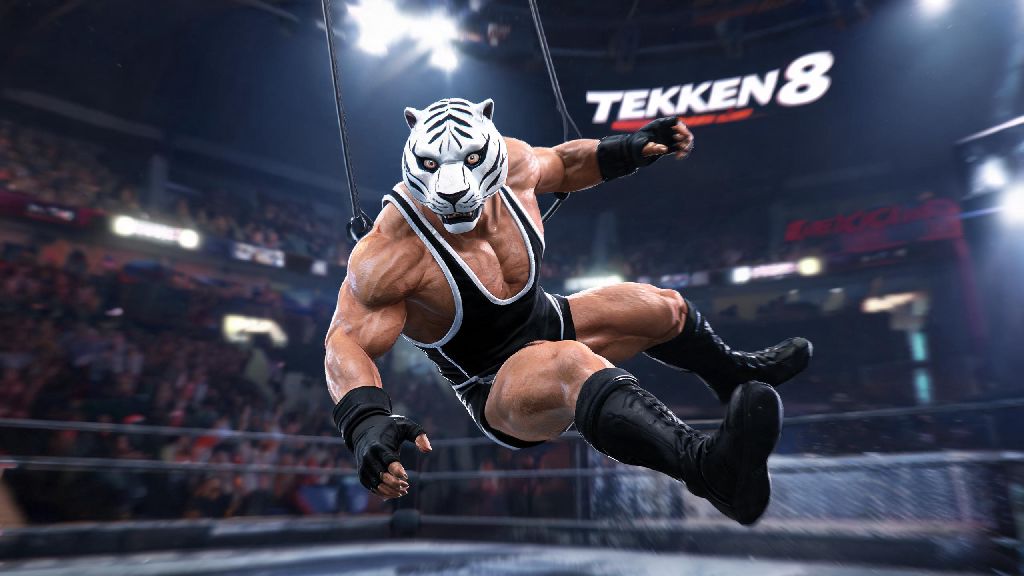
If you’ve spent any time in Tekken 8 ranked play, you’ve almost certainly been on the receiving end of a Giant Swing. One second you’re pressing your advantage against a King or Armor King player, the next you’re flying through the air, losing 30% of your health bar before you even register what happened. Most players write the move off as uncounterable spam, but that’s far from the truth. Learning how to break Giant Swing Tekken 8 is surprisingly simple once you know the core rules, visual cues, and common setups to watch for. This guide will walk you through everything you need to stop giving up free rounds to this iconic command grab.
How to Break Giant Swing Tekken 8: Core Input & Timing Rules
First, let’s get the most basic rule out of the way, because this is where 90% of new players go wrong. Giant Swing only breaks with a 1+2 input, no other combination works. It’s a special command throw, so it doesn’t follow the same 1 or 2 break rules as standard front or back throws. If you’re mashing left punch or right punch when you get grabbed, you’re always going to eat the full damage.
Next, let’s talk timing. Tekken 8 gives you a 10 frame window to input your throw break after the grab connects. That works out to roughly 1/6 of a second, which sounds tight, but it’s more generous than you think once you get used to it. You don’t have to input the break the exact millisecond the grab lands, but you can’t wait more than a split second either.
It’s also important to note that Giant Swing can’t be blocked, and it can’t be sidestepped if you’re already in its active hitbox. You can interrupt it before it lands, or break it once it connects, but those are your only two options. Don’t waste time trying to duck or backdash once the animation has already started, you’ll just get grabbed anyway.
Key Visual Cues to Spot Giant Swing Before It Lands
Reacting to the grab itself is doable, but you’ll have a much higher success rate if you learn to spot the setup animations before the grab even triggers. King and Armor King both have very distinct tells for Giant Swing that you can learn to recognize in just a few matches.
The most obvious tell is the double forward dash. Giant Swing’s input requires two forward taps before the down and diagonal forward motion, so you’ll see the character take two quick steps forward right before they reach for you. You can react to Giant Swing 2-3 frames earlier if you watch for the forward dash animation instead of waiting for the grab connect. That extra time is often the difference between a successful break and a trip to the floor.
You should also pay attention to the range between you and your opponent. Giant Swing only works at close to mid-close range, so if they’re more than a step and a half away, they can’t land it. If they suddenly dash in to close that gap out of nowhere, there’s a very good chance they’re planning to go for a Giant Swing.
Wakeup situations are another big red flag. Most King players rely on Giant Swing as a wakeup mixup, because they expect you to be focused on blocking lows or mashing jab to get out of pressure. If you just got knocked down, keep your eyes peeled for that double dash as soon as you start standing up.
Common Giant Swing Setups & How to Counter Each
King and Armor King players don’t just throw out Giant Swing randomly. They almost always use it in specific setups that have a high chance of catching casual players off guard. Learning these setups will let you counter the grab before it even has a chance to connect, instead of relying on reaction breaks alone.
Jabbing right after blocking a King low attack will interrupt 90% of Giant Swing attempts, even if you're slightly slow on the input. This is the easiest counter for new players to master, because it doesn’t require perfect reaction time or frame data knowledge.
If you’re more comfortable with reads, you can even duck and launch King when you expect a Giant Swing. The move hits high, so ducking will make it miss entirely, and you can follow up with a full combo that deals way more damage than the grab would have. Just don’t do this too often, because good players will mix in low sweeps to punish overconfident duckers.
Practice Drills to Make Giant Swing Breaks Second Nature
Knowing the rules and setups is great, but you won’t be able to pull off consistent breaks in real matches until you practice them enough that they become automatic. You don’t need to spend hours in practice mode, just 10-15 minutes of focused drill work will make a huge difference.
First, head to practice mode and set your opponent to King. Go to the AI settings and set him to use Giant Swing repeatedly on wakeup. Knock him down once, then let him knock you down, and practice breaking the grab every time you stand up. Once you can hit 15 consecutive Giant Swing breaks in practice mode, you'll rarely miss them in real matches.
Next, adjust the AI settings to mix Giant Swing with standard 1 and 2 break throws. This will train you not to just mash 1+2 every time you get grabbed, which is important because good King players will mix up their throws to punish players who only break Giant Swing. If you only ever practice breaking Giant Swing alone, you’ll start falling for every other throw in their kit.
Finally, test your skills in casual matches first before bringing them to ranked. It’s normal to miss a few breaks when you’re first learning, and you don’t want to lose ranked points while you’re still getting the timing down. Don’t get tilted if you miss a few, just note what setup they used and adjust for the next round.
Only input 1+2 when you see the Giant Swing animation trigger, don't pre-emptively hold the buttons. Holding 1+2 all the time will make you unable to block low attacks, and good players will exploit that immediately by spamming low sweeps instead of throws.
At the end of the day, Giant Swing is only a scary move if you don’t know how to counter it. Once you get the input timing down, learn the visual tells, and memorize the common setups, you’ll find that King and Armor King players stop spamming the move against you entirely. Learning how to break Giant Swing Tekken 8 won’t just save you from losing free rounds, it’ll also make you a more confident player overall, because you’ll no longer panic when you see that double forward dash. Next time you load into a match against a King main, you’ll be ready.