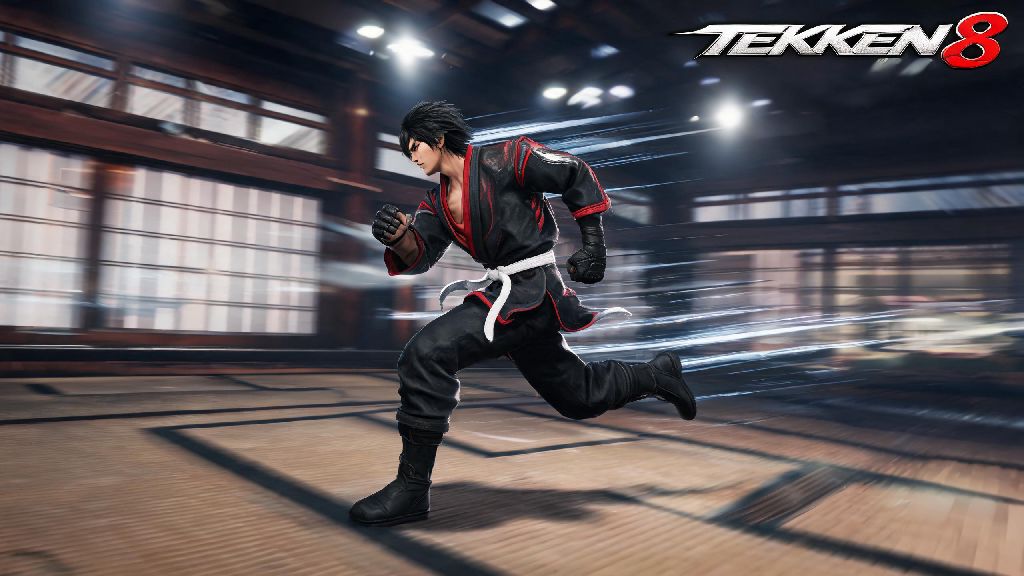
If you’ve ever found yourself stuck blocking while an opponent closes in for an unbreakable combo, or missed a huge whiff punish because you couldn’t close the gap fast enough, you’re not alone. Most new Tekken 8 players overlook movement basics while they grind combos, and dashing is one of the most impactful skills you can master to climb ranks fast. I’ve put 220+ hours into Tekken 8 ranked play since launch, and I can confidently say that learning how to dash in Tekken 8 doubled my win rate in my first month of playing. This guide breaks down everything you need to know, from basic inputs to in-game use cases that work for every character on the roster.
How to Dash in Tekken 8: Core Inputs for Every Dash Type
Dashing in Tekken 8 uses simple, universal inputs that work for every character, no matter their weight class or move set. The basic rule is double tapping a directional input fast enough to trigger the dash animation, instead of two separate walking steps. For forward dashes, you’ll tap the forward direction (f, f) quickly, and hold the second tap if you want a longer dash that covers more distance. Back dashes use the same input but with the back direction (b, b), and side dashes use double tap up or down (u, u or d, d) to move perpendicular to your opponent.
You don’t need to press any attack buttons to complete a dash, and a lot of new players accidentally cancel their dashes by pressing punch or kick while they’re rushing their inputs. If you’re struggling to get dashes to register consistently, slow down your inputs first to make sure you’re tapping the direction cleanly twice, before you speed up. Once you get the hang of how to dash in Tekken 8, you can start combining dashes with crouch inputs for advanced movement like wave dashing, which is especially powerful for rushdown characters like Law and Hwoarang.
Side dashes have a shorter range than forward or back dashes, but they’re the only dash type that lets you avoid linear attacks entirely. For example, a well-timed side dash will completely dodge a Paul’s Death Fist, while a back dash might only get you out of range if you’re already far away. Side dashes also have 1 frame less recovery than forward or back dashes, so you can cancel them into pokes much faster if you see an opening.
Key Differences Between Tekken 8 Dashing and Older Franchise Games
If you’re coming to Tekken 8 from Tekken 7 or earlier entries, you’ll need to adjust your dashing timing to match the new system, because Bandai Namco made significant changes to movement recovery. Back dashes in Tekken 8 have 2 frames less recovery than they did in Tekken 7, which means you can chain back dashes much faster to create space without getting punished. I learned this the hard way during my first week of launch, when I lost three ranked sets in a row because I was using my old Tekken 7 back dash timing and kept getting caught mid-recovery by opponent’s pokes.
Heat state buffs dash distance by 15% for all characters, a small change that most casual players don’t notice until it’s too late. If you have heat active, a single forward dash will cover almost a third more of the stage than it would normally, so you can land whiff punishes from much further away than you’d expect. This also means you have to be more careful about dashing when your opponent has heat active, because they can close gaps much faster than you might anticipate.
Another big change is that dash cancels into attacks have no extra input delay in Tekken 8. In older games, you’d have to wait a tiny window after dashing before you could press an attack, but now you can cancel a dash into a launcher or poke the second the animation starts. This makes dash into combo routes much more reliable, even for players with slower reaction times.
Practical In-Game Scenarios to Use Dashing Effectively
Knowing the inputs for dashing is only half the battle; you also need to know when to use dashes to get an advantage, instead of spamming them and getting punished. Understanding when to use each dash type is just as important as knowing how to dash in Tekken 8, because poor dashing timing will get you countered more often than not. These are the most common use cases I use in every ranked set I play:
Common Dashing Mistakes to Avoid for New Players
A lot of new players struggle with how to dash in Tekken 8 consistently because they don’t spend time drilling the inputs in a low-pressure environment. The most common mistake I see is tapping directions too slow, which makes the game register two separate walking steps instead of a dash. If you’re playing on a controller with input delay over 80ms, you might need to adjust your timing slightly to make sure your double taps are fast enough to trigger the dash animation.
You can test your dash timing in practice mode by turning on input display, which will show you exactly how fast you’re tapping directions. Spend 10 minutes a day drilling dash inputs in practice mode before you jump into ranked, and you’ll notice a huge improvement in your consistency within a week. You don’t need to spend hours drilling, just enough to build muscle memory for the double tap inputs.
Another common mistake is dashing directly into a predictable counter. I see this all the time in silver and gold rank, where players dash forward every time their opponent blocks a poke, and end up getting hit by a fast 10-frame jab that interrupts their dash. Mix dashes with walking and occasional sidesteps to keep your opponent guessing, and don’t dash forward unless you’re sure your opponent doesn’t have a fast counter ready to go. Finally, don’t dash when you’re low on health and panicking – it’s way too easy to accidentally dash into a finishing move that could have been avoided by just blocking or walking back.
It’s also important to note that some characters have unique dash properties that you’ll need to adjust for. For example, Yoshimitsu’s forward dash has a built-in evasion that lets him duck under high attacks mid-dash, while Jack-8’s dashes are slower but cover more distance per dash. Spend a few matches testing your main character’s dash speed and distance in casual matches before you take them into ranked, so you don’t get caught off guard by their unique movement quirks.
At the end of the day, learning how to dash in Tekken 8 is one of the fastest ways to improve your gameplay and have more fun playing, because you’re not stuck relying on pre-made combos to win matches. Even small improvements to your dashing consistency will help you beat players who have spent way more time grinding combos than you, because you’ll be able to control the pace of the match and punish their mistakes way more reliably. Don’t get discouraged if you miss dash inputs when you’re under pressure – even pro players mess up dashes sometimes during high-stakes tournaments. Next time you land a perfect dash into a full combo after your opponent whiffs a big attack, you’ll be glad you put the small amount of time in to master this basic mechanic.