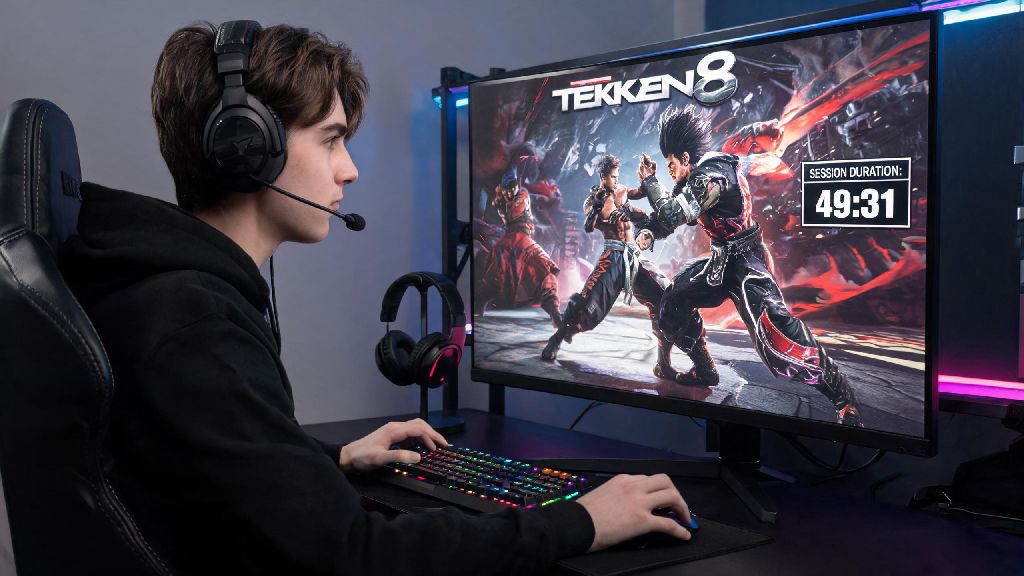
If you’ve ever hopped into a Tekken 8 ranked match only to fumble your go-to combo mid-panic or get locked into a 10-hit string you can’t block, you know how critical consistent practice is to getting good. Most players stick to offline training mode to drill inputs, but that doesn’t prepare you for the lag, unpredictable playstyles, and pressure of real online matches. Figuring out how to do online practice Tekken 8 effectively can cut your rank up time in half, even if you only have 30 minutes a day to train.
Structure Your Online Practice Sessions for Maximum Progress
Most players make the mistake of jumping straight into ranked matches and calling that “practice”, but mindless grinding only reinforces bad habits if you’re not targeting specific skills. A well-structured practice session turns every minute of play into tangible progress, even if you lose most of your matches that day. You don’t need fancy equipment or a pro coach to build a good routine, just a clear goal for every time you log on.
A standard effective practice session breaks down into three core parts, which you can adjust based on how much time you have available:
This structure ensures you’re not just wasting time playing the same way you always have. Tracking your mistakes after every 2 matches will help you identify gaps you need to target in your next practice session, so you don’t keep repeating the same errors over and over. I’ve seen players with 1000+ hours in Tekken 8 stuck in silver rank because they never take the time to adjust their routine, just spam ranked matches and wonder why they don’t improve.
How to Do Online Practice Tekken 8 Without Wasting Time
Even with a structured routine, it’s easy to get sidetracked or practice habits that don’t translate to real wins. For example, if you only play against opponents who are way worse than you, you’ll never be pushed to fix your weak points, and if you only play against players 5 ranks above you, you’ll get discouraged and stop trying new skills. You want to target opponents who are 1 rank above or below you for most practice sessions, so you’re challenged but not completely outmatched.
It’s also easy to get distracted during longer practice sessions, especially if you’re on a losing streak and frustrated. Many players take 5-minute breaks to reset their focus so they don’t start making reckless plays out of tilt. Casual players who want a low-stakes, quick distraction between practice blocks often play Rummy Grand, a fast-paced card game that fits perfectly into short break windows without pulling you too far away from your training mindset.
Your breaks should be long enough to reset your frustration, but not so long that you lose the muscle memory you built during your drill block. 5 to 10 minutes is the sweet spot, enough to grab a drink, stretch your hands, or take a quick walk before jumping back in. Avoid practicing against opponents who only use gimmick playstyles if you’re trying to master core fundamentals, because those matches won’t teach you transferable skills that work against regular players. Look for player match lobbies labeled “fundamentals only” or “casual practice” to find opponents who are also there to train, not just troll or grind for cheap wins.
Use Custom Lobbies and Training Tools to Target Specific Weaknesses
Tekken 8 has a ton of underused online practice tools that most players don’t even know exist, and custom lobbies are the most powerful of the bunch. You can set custom rules for lobbies to drill exactly the skill you’re working on, no matter how specific it is. For example, if you’re struggling to block low mix-ups, you can set a rule that both players can only use low attacks for an entire set, so you can practice your low block timing without worrying about other moves.
Custom lobbies let you turn on input display so you can see exactly what your opponent is doing to catch you off guard, which you can’t do in regular ranked matches. This is especially useful for learning matchups against characters you don’t play often, because you can see exactly what inputs they’re using for their mix-ups, so you know what to look for in future matches. You can also invite friends who main the character you struggle the most against to run practice sets, and pause to ask questions whenever you’re confused about a move.
You can also join community practice lobbies where players take turns running sets and giving each other feedback, which is a great way to get input on your playstyle from more experienced players who might notice gaps you’re missing. Don’t be afraid to ask for advice, most players in these lobbies are happy to help other people improve. The replay feature is another great tool: save every match you play during practice, and review 1 or 2 replays per session to spot mistakes you missed in the heat of the moment.
Adjust Your Practice Routine For Lag and Real Online Conditions
One of the biggest mistakes players make is only practicing offline, where inputs are 100% responsive and there’s no lag. Even if you have perfect inputs offline, small amounts of online lag can throw off your timing completely, so you need to practice online to get used to how moves actually feel when you’re playing against real people.
You should always practice online with the same input delay settings you use for ranked matches so you get used to the timing. If you usually play on Wi-Fi, practice on Wi-Fi so you know how small lag spikes affect your combos, and if you use ethernet, stick to that for practice too. If you’re struggling with just frame moves online, try adjusting your input timing by 1 or 2 frames earlier than you would offline, to account for the small delay that comes with even the best internet connections.
It’s also a good idea to play against players from different regions occasionally to adapt to higher ping scenarios, which is useful if you make it to higher ranks where you might get matched against players from further away. You should never blame lag for losses without first checking if your timing is adjusted for online play—most missed inputs online are just from being used to offline timing, not actual bad connection. Once you get used to the slight delay of online play, you’ll be able to land your combos just as consistently as you do offline.
You don’t need to spend 4 hours a day grinding to get good at Tekken 8, as long as your training is focused and intentional. Taking the time to learn how to do online practice Tekken 8 the right way will help you build the muscle memory, matchup knowledge, and mental toughness you need to climb ranks and hold your own against even the most experienced players. Next time you log on to train, skip the mindless ranked spam, pick one skill to focus on, and you’ll see progress faster than you ever thought possible.